Avoid These Common Mistakes When Shopping for Camping Gear
As an avid camper, I've experienced my fair share of camping gear blunders that cost me both time and money. Whether it was opting for the wrong tent size or falling for flashy marketing claims, each misstep taught me invaluable lessons. In this guide, I will share vital tips and tricks to help you steer clear of these common mistakes when buying camping gear, ensuring you're equipped for your next adventure without breaking the bank.
Table of Contents
1Common Buying Mistakes Everyone Makes
When it comes to camping gear, certain missteps are all too common. Many new campers often underestimate the importance of proper research. One frequent mistake is buying the cheapest option available without consideration of quality or durability. A tent that collapses in the rain or a sleeping bag that fails to keep you warm can ruin a trip.
Another common error is selecting gear that's not suited for your specific needs. For instance, backpackers should look for lightweight equipment that won't weigh them down, while car campers can afford to go for heavier gear. Additionally, many people overpack, thinking more is better – this leads to cumbersome hikes and complicated setups.
Lastly, many first-time buyers ignore reviews and feedback from seasoned campers. According to a survey by UFC-Que Choisir, nearly 60% of consumers fail to consider user reviews before making a purchase, which can lead to subpar gear choices. Avoid these pitfalls by taking your time, doing the necessary research, and investing in quality gear that fits your camping style.
2Misleading Criteria That Waste Your Money
The camping industry is rife with misleading marketing tactics designed to lure consumers into making hasty purchases. One major trap is the allure of high-end brands that come with steep price tags. Just because a product is marketed as premium doesn’t guarantee it will outperform a more reasonably priced alternative.
Another common pitfall is the exaggerated claims about the features of camping gear. For instance, a sleeping bag might be advertised as being suitable for extreme temperatures, but user reviews often reveal that this isn't the case in real-life conditions. Many brands take liberties with performance specifications in their marketing materials, leading buyers to trust these claims without firsthand experience.
Moreover, be wary of the “one-size-fits-all” claims—gear typically does not work universally across different environments and climates. Make sure to read multiple sources, and compare specifications before settling on a product. According to Les Numériques, reviewers highlight the necessity of hands-on experience or in-depth reviews from reliable sources to provide realistic expectations for gear performance.
3Essential Criteria to Consider
When you're evaluating camping gear, several crucial criteria should guide your purchasing decisions. First, you should assess the gear’s weight and portability. This is especially important for backpackers who need lightweight solutions to ease their load on the trails. For car camping, prioritize durability and overall comfort.
Next, consider weather resistance. Depending on your camping location, look for water-resistant tents and sleeping bags with proper insulation. For example, a 3-season tent will be a better investment for variable weather conditions than a lightweight summer option, which may falter in inclement conditions.
Finally, focus on ease of use and setup time. Gear that's complicated to set up may take away time from enjoying the outdoors. Read user reviews that discuss their experiences with setup, storage, and transport. A good tent should pop up easily with minimum fuss, allowing you to concentrate on relaxation and adventure. Ignoring these criteria could lead to headaches during your trips.
4Our Verified Product Selections
Osprey Atmos AG 65 Backpack
Osprey
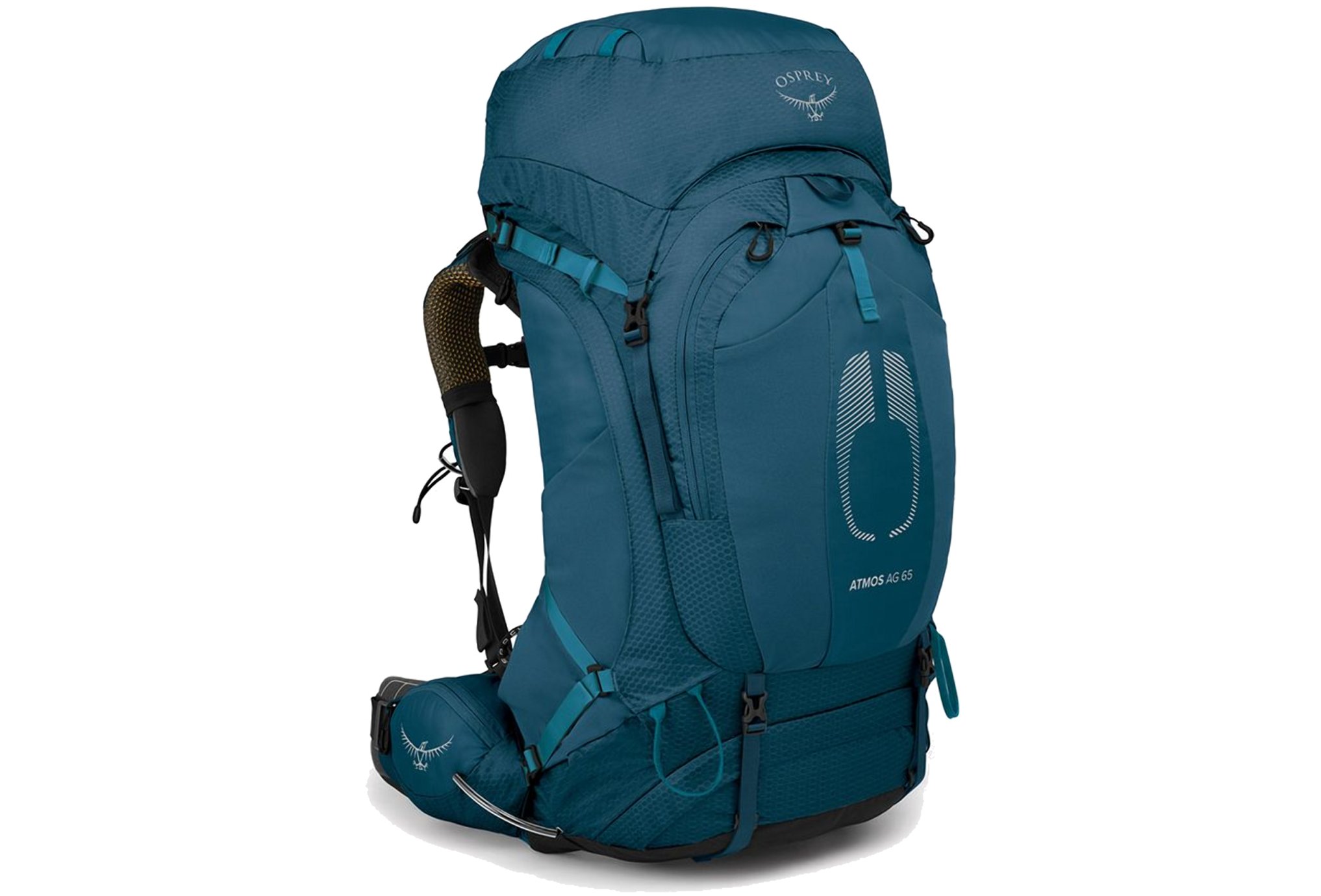
A high-comfort backpack with a tensioned mesh back for optimal load distribution.
Pros
- Excellent load distribution
- Ventilated back panel
- Lots of storage options
Cons
- High price point
- Heavier than other options


5Your Pre-Purchase Checklist
- [ ] Evaluate your camping needs (e.g. backpacking vs. car camping)
- [ ] Research user reviews on the gear you're considering.
- [ ] Check durability and weather resistance specifications.
- [ ] Compare prices across multiple retailers.
- [ ] Confirm the return policy in case the gear doesn’t meet expectations.
- [ ] Make sure your gear is easy to set up and use.
- [ ] Look for warranties that cover defects and performance.
- [ ] Plan for proper storage and transport capabilities of the gear.
- [ ] Double-check the weight limits and appropriate usage of the products.
Conclusion
Avoiding mistakes when purchasing camping gear pays off. By being aware of common pitfalls and what truly matters in your gear selection, you can save money and enhance your outdoor experience. Remember to do thorough research and never rush your decision. Happy camping and make the most out of your gear purchases!